If you’re building a warehouse, workshop, retail space, or light industrial facility, commercial steel buildings can often feel like the smartest shortcut: fast schedules, predictable materials, and a chance for scale in design. But when a “building kit” number is the only price compared, without stacking it against total project cost, price surprises can persist. In reality, steel buildings (myths and misconceptions aside) are not priced like a product, but like a system. A small variation in loads, height, or openings can move engineering, steel weight, shipping, and labor at the same time.
This guide discusses what influences costs for steel building systems, how modular steel and custom prefabricated packages stack up against conventional construction, and where budgets tend to increase. If you are looking for a more defined starting point, you can explore our full range of steel buildings to identify a system that best suits your site, usage requirements, and long-term plans before requesting quotes.
What “Price” Actually Means in the Cost of Commercial Steel Buildings
The price of the kit vs the finished project price
Most quotes you see first are for the building package: primary frames, secondary members (purlins and girts), roof and wall panels, fasteners, trims, and standard details. That is a real number, but it is almost never the whole story.
Delivered project cost may additionally include site prep, foundation, anchors, shipping and/or freight, crane rental (if required), erecting labor/installation, insulation packages, doors, windows, permitting, and any interior buildout. These items can change the “installed” total dramatically, even when the kit price looks competitive.
Why it’s so hard to compare quotes
Two buildings can have the same footprint and be engineered in radically different ways. A heavier design for wind exposure, snow drift, seismic requirements, or local code may be required on a 50×100 building in one area.
Even when sizes match, different assumptions about loads and accessories can make “apples to apples” comparisons murky.
See also: Business Class Tickets USA to India: A Guide to Premium Travel
The Most Significant Factors That Impact the Cost of Steel Building Systems
Height, clear span, and eave height of the building
Footprint is the obvious driver, but clear span and height often matter more than buyers anticipate. Larger clear spans need beefier frames, while taller eave heights add steel and bracing.
A building that is just a few feet taller can impact frame size, wall build-up, and erection needs. For commercial steel buildings, you may need forklift clearance, racking height, or overhead doors, and those operational requirements can drive cost.
Design loads and code requirements
Parameters (wind speed levels, exposure categories, snow loads on the ground, and seismic design categories) directly influence steel weight and connection designs. Practically speaking, that generally translates to thicker members, more bracing, and a more robust engineering system.
There are also local jurisdiction requirements that can add special inspections or stamped calculations, which need to be in the budget even if they are not obvious in the initial quote.
Frame type and structural complexity
Often, the most economical type is a plain rigid-frame rectangle. Costs increase if you include lean-tos, stepped elevations, more than one roofline, canopies, mezzanines, or complicated offsets.
These are not “bad” features, but they add more framing and more time to install. Many steel building systems are priced competitively in clean, repeatable shapes and get costly when the geometry gets unique.
Portals above doors, windows, and wall penetrations
Big openings alter the load path. A larger overhead door, more dock positions, or a glazed storefront may demand larger headers, jambs, and reinforcing.
This is also true for mechanical penetrations, louvers, and equipment openings. These details are useful and sometimes necessary, so it’s best to develop a strategy for them early and follow it consistently.
Roof and wall panel choices
Cost and longevity are top considerations. Panel gauge, finish, and profile also contribute. Upgrading coatings to withstand corrosive environments, moving to thicker panels, or selecting a concealed-fastener aesthetic can increase cost.
Roof insulation packages, skylights, and translucent wall panels shift materials and labor as well. If your building is climate-controlled, insulation and vapor control details can become a significant single line in the budget rather than a small add-on.
Interior performance requirements
If the building is just a shell, the package price remains closer to that headline number. When you introduce HVAC zones, finished interiors, fire-rated assemblies, office buildouts, and electrical distribution, total cost scales fast.
In many cases, the steel structure is no longer the most expensive part of the building, even though it’s still the first number reported.
Modular Steel vs. Prefabricated Steel Construction
What modular really changes
More in-plant or prefabricated steel work can significantly reduce labor on site, accelerating schedules by moving more work to controlled fabrication and reducing rework.
That advantage is greatest when the design repeats, such as multi-bay configurations or uniform components. Tight timelines are often easier to meet when staging deliveries and sequencing installation more predictably.
When prefabrication offers cost savings, and when it doesn’t
Cost-effective prefabricated steel construction can be achieved when the project works within established engineering parameters. It can be less cost-effective if the site is difficult, the design is highly customized, or there is poor coordination between the building supplier and foundation/erection teams.
One of the biggest budget issues happens when buyers lock in the building package before knowing where doors will be, what cranes will be needed, and how future expansion will work. Late changes are possible, but they are usually far more expensive than doing it right upfront.
You might also see the term “refabricated steel construction” used informally. Most often, buyers are actually looking for built-in-place packages or pre-engineered metal buildings, where components are manufactured off-site and assembled on site.
Site Conditions and Logistics That Increase Costs Silently
Foundation, soil, and site prep
Precise foundations are critical to steel buildings. Soil bearing capacity, slope, drainage, access, and more all play a role.
If heavy grading, engineered fill, thicker slabs, or deep foundations are required, the cost of the site can rival that of the structure. Even with the same building kit, you can end up with two very different total project costs.
Freight, cranes, and equipment
Freight depends on distance from the manufacturer, fuel costs, local trucking limitations, and unloading charges.
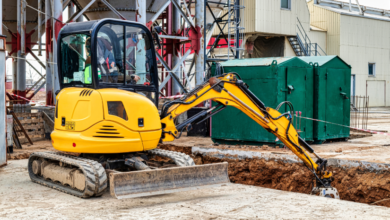
Site equipment can be another huge variable. The need for larger cranes (and more lifts) can add cost quickly, particularly with taller buildings, heavier framing, or tight working conditions.
Labor market and schedule pressure
Erection labor rates vary widely by region. Schedule urgency can also impact cost if crews need overtime, or if trades stack on top of one another.
In commercial steel buildings, time equals money in many ways. However, hurrying the wrong phase can lead to rework and change orders later.
Options That Add Value Without Blowing the Budget
Standardize where you can
Regular bay spacing, consistent door heights, and the use of standard panel lengths reduce waste. This can also make expansion easier later because the system is more predictable.
Design for operations, not just the quote
I would hate to see cheap decisions on the shell end up costing more operationally. If you anticipate racking, forklifts, or heavy equipment, plan clearances, slab thickness, and access points early.
A building that supports workflow efficiently can save money long-term, even if the initial number looks slightly higher than a bare-minimum quote.
Utilities and expanding the plan upfront
“Even if you don’t finish everything out now, getting the plans in place for future insulation, office areas, or other bays will save you money.”
Small design decisions, like structural framing for future openings, can be cheap early and expensive later.
An Easy Way to Fairly Compare Quotes
Get the scope set before you think about pricing
Before choosing which quote is “cheaper,” make sure each supplier is pricing the same set of criteria: loads, collateral, panel specs, insulation assumptions, openings, and delivery terms.
If one quote includes engineered drawings, anchors, or specific accessories and another does not, the “cheaper” quote might not be cheaper once you fill in the blanks.
Request an inclusions list
A clear inclusions list reduces confusion. It should specify what is included in the building package and what is not, and it should outline erection and foundation assumptions.
That’s where surprises tend to appear, not in the steel once it has been brought up to a reasonable design.
Final Takeaway
Commercial steel buildings can be a cost-smart way to build, but the biggest cost changes usually do not result from one “markup.” They come from engineering loads, how wide you span and how high you go, complexity in geometry and openings, plus site conditions and labor realities outside the kit.
If you are comparing options right now, feel free to explore our steel building systems and take advantage of our build-your-own quote page to get an accurate quote based on your intended use, local requirements, and budget. The right fit upfront generally costs less than redesigning later.
FAQs
What affects the cost of a commercial steel building more, size or design loads?
Steel weight and connection requirements can change more drastically due to design loads than footprint differences. Both matter, but increasing wind or snow requirements can cost more than many buyers expect, especially for taller or wider clear-span buildings.
Are prefab shipping container homes less expensive than traditional buildings?
Not always. Modular steel structures can reduce time and labor on-site, but savings depend on repetition, coordination, and site access. If a project is heavily engineered or the site is challenging, modular construction may improve predictability more than it reduces total cost.
Why does a steel building quote for two “same size” buildings vary so much?
Variations usually come from structural assumptions, panel configurations and accessories, openings, delivery terms, value-adds, or omissions. Two buildings can share the same dimensions but be engineered for different loads and performance levels.
Will the structure or foundation of steel building systems be included?
Typically, no. Quotes for steel building systems are generally based on the building package you purchase. Site work, foundation, and construction are part of the broader project scope. Confirm this upfront so you are not comparing a kit price to a partial project price.
What is the biggest budget error buyers make?
Finalizing the shell price before confirming site layout, interior requirements, utilities, and future expansion plans. That approach often leads to re-engineering and extra labor, which can increase total cost far more than planning ahead.