Introduction to IDC Data Center Building
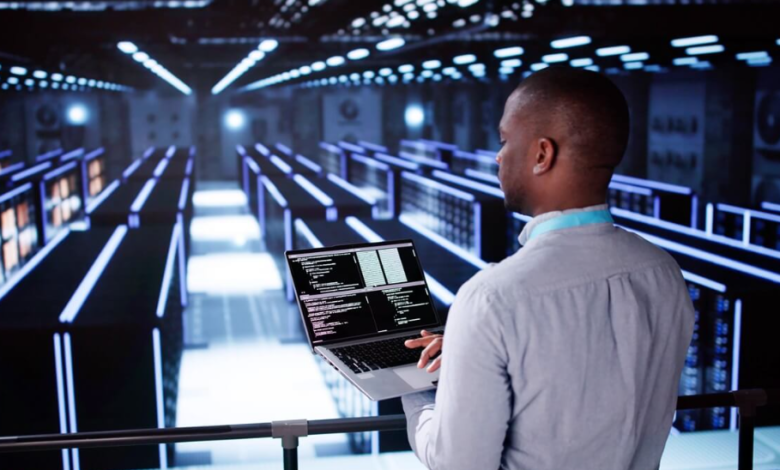
An IDC data center building is a specialized facility designed to house critical IT infrastructure such as servers, storage systems, networking equipment, and cloud platforms. These buildings are the backbone of modern digital operations, supporting enterprises, governments, and service providers that rely on uninterrupted data processing and connectivity.
Unlike traditional commercial buildings, an IDC data center building prioritizes reliability, scalability, energy efficiency, and security. Every component—from architectural layout to power distribution—is engineered to meet strict operational and compliance standards.
Purpose of an IDC Data Center Building
The main purpose of an IDC data center building is to provide a controlled, resilient environment for IT operations. It ensures:
- Continuous availability of data and applications
- Protection of sensitive digital assets
- High-performance computing capabilities
- Scalability to support future growth
- Compliance with industry regulations
These buildings are essential for cloud computing, big data analytics, artificial intelligence, and enterprise IT services.
See also: How Window Replacement Can Increase Your Home’s Resale Value
Core Design Principles of an IDC Data Center Building
1. Structural Design and Layout
The structure of an IDC data center building is designed to support heavy equipment loads, raised flooring systems, and advanced cooling infrastructure. Key layout considerations include:
- Separate zones for IT halls, power rooms, and cooling systems
- Column-free server halls for flexible rack placement
- High floor load capacity
- Anti-vibration construction
A modular design approach is often used to allow expansion without disrupting ongoing operations.
2. Power Infrastructure and Redundancy
Power reliability is the most critical aspect of an IDC data center building. The power architecture typically includes:
- Dual utility power feeds
- Uninterruptible Power Supply (UPS) systems
- Backup diesel generators
- Redundant power distribution units
Most facilities follow N+1 or 2N redundancy models to ensure zero downtime during failures or maintenance.
3. Cooling and Environmental Control
Servers generate significant heat, making cooling systems essential. An IDC data center building uses advanced cooling strategies such as:
- Precision air conditioning
- Hot aisle and cold aisle containment
- In-row or rear-door cooling
- Free cooling or liquid cooling in advanced facilities
Environmental controls maintain optimal temperature and humidity levels to extend equipment lifespan and reduce energy consumption.
4. Network and Connectivity Infrastructure
High-speed, low-latency connectivity is a defining feature of an IDC data center building. Network infrastructure includes:
- Multiple fiber entry points
- Carrier-neutral connectivity
- Redundant routing paths
- High-capacity backbone networks
This ensures uninterrupted communication between servers, users, and external networks.
Security in an IDC Data Center Building
Physical Security
Physical protection is layered and strictly enforced. Common security features include:
- Perimeter fencing and controlled entry points
- Biometric access systems
- Mantraps and security checkpoints
- 24/7 surveillance and monitoring
Access is granted only to authorized personnel based on role and clearance level.
Digital and Operational Security
Beyond physical security, an IDC data center building incorporates operational safeguards such as:
- Network segmentation
- Access logging and audit trails
- Secure equipment disposal processes
- Strict operational protocols
These measures protect data integrity and prevent unauthorized access.
Energy Efficiency and Sustainability
Modern IDC data center buildings are designed with sustainability in mind. Energy efficiency not only reduces costs but also meets environmental goals. Common strategies include:
- High-efficiency UPS systems
- Intelligent building management systems
- Renewable energy integration
- Water-efficient cooling solutions
Energy performance is often measured using metrics like Power Usage Effectiveness (PUE).
Compliance and Standards
An IDC data center building must adhere to recognized international standards to ensure reliability and trust. Common compliance areas include:
- Data protection and privacy regulations
- Operational continuity standards
- Electrical and fire safety codes
- Environmental and energy efficiency guidelines
Compliance ensures the facility meets industry expectations and customer requirements.
Scalability and Future-Proofing
Future readiness is a major advantage of a well-designed IDC data center building. Scalability is achieved through:
- Modular power and cooling systems
- Expandable server halls
- Software-defined infrastructure
- Flexible cabling and network design
This approach allows organizations to adapt to changing technology demands without rebuilding the facility.
Role of IDC Data Center Building in Digital Transformation
IDC data center buildings play a crucial role in enabling digital transformation. They support:
- Cloud service delivery
- Enterprise virtualization
- Big data and AI workloads
- Disaster recovery and business continuity
Without robust data center infrastructure, modern digital services would not be possible.
FAQs About IDC Data Center Building
What makes an IDC data center building different from a regular building?
An IDC data center building is engineered specifically for IT operations, focusing on power redundancy, cooling efficiency, security, and continuous availability, unlike standard commercial buildings.
How long does it take to build an IDC data center building?
The construction timeline typically ranges from 12 to 24 months, depending on size, design complexity, and regulatory requirements.
Why is redundancy important in an IDC data center building?
Redundancy ensures uninterrupted operations during equipment failures, maintenance, or power outages, which is critical for business continuity.
Are IDC data center buildings environmentally friendly?
Modern facilities prioritize energy efficiency, sustainable cooling, and renewable energy sources to minimize environmental impact.
Can an IDC data center building be expanded in the future?
Yes, most IDC data center buildings are designed with modular architecture to support future expansion without operational disruption.
Conclusion
An IDC data center building is far more than a physical structure—it is a mission-critical environment that supports the digital economy. From robust power and cooling systems to advanced security and scalability, every element is purpose-built to ensure reliability and performance.
As technology continues to evolve, IDC data center buildings will remain essential in supporting cloud computing, data-driven innovation, and global connectivity. Investing in a well-designed data center building ensures long-term operational resilience, efficiency, and growth.